“Bimestral do Livro” project brings together students from Elmo Baptista Coelho Municipal School, on Ilha da Madeira, in an activity connecting reading, culture, and local identity
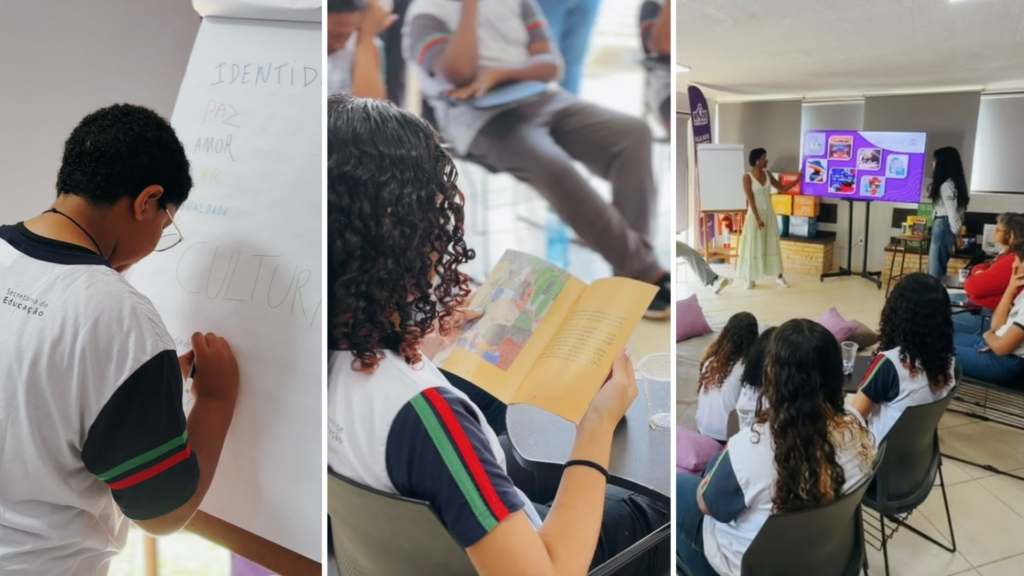
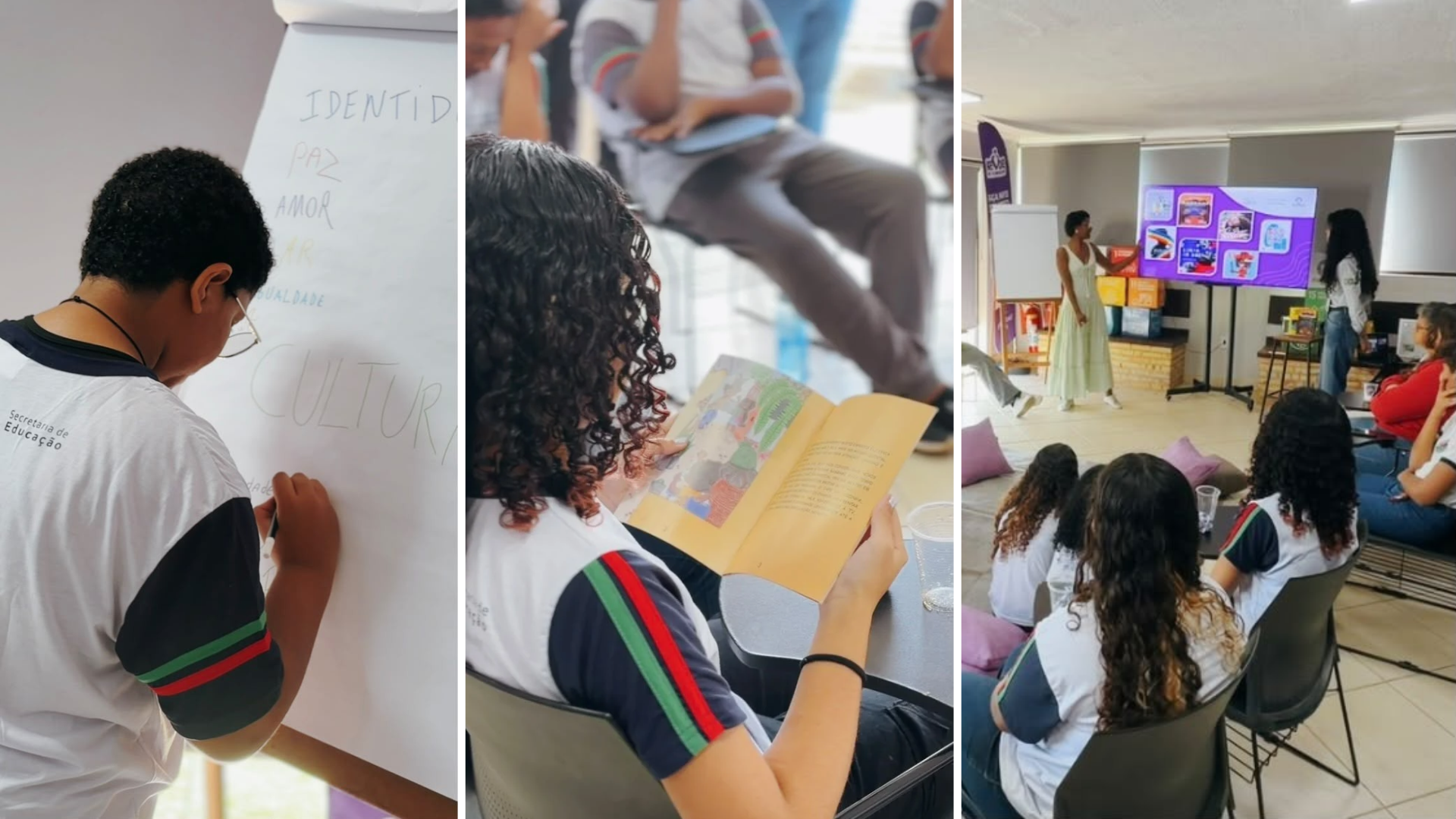
An activity focused on literature and the appreciation of local heritage brought together students from Elmo Baptista Coelho Municipal School, on Ilha da Madeira, in Itaguaí. The initiative seeks to bring children and young people closer to books while encouraging them to see the place where they live from a new perspective. The activity was part of the first edition of the Bimestral do Livro project, held in partnership with the school and featuring writer and teacher Aline Lourenço.
A resident of Itaguaí since 2018, Aline Lourenço’s literary work focuses primarily on the experiences of people living in underserved communities. With a degree in Languages and Literature and studies related to anti-racist education, she also works as a teacher and explores themes such as identity, ancestry, and belonging in her writing. Her works include A jovem sonhadora, Ivan – um conto para chorar, Os Cabelos de Gabrieli, and the children’s book Kambami e a Árvore da Cambalhota, created to strengthen the identity and self-esteem of Black children. The writer also received the Machado de Assis Innovation Award for A Lembrança Póstuma de Josué and took part in a writers’ project organized by the Federal University of Rio de Janeiro (UFRJ) in partnership with the Brazilian Academy of Letters.
At the event, the text selected for reading explored aspects of Itaguaí’s history, including references to the Tupinambá people, the Tamoios Revolt, and Emperor Pedro I. For the writer, bringing literature closer to the students’ reality is a way of broadening how they understand their own journeys.
“Talking about territory means connecting with the emotional ties students have to the place where they live. It helps them understand other values, such as ancestry, family, and memory,” she says.
In addition to the reading, students took part in an activity in which they were invited to choose a word that represented the place where they live. The exercise encouraged the class to actively participate in the discussion, connecting literature, memory, and their perceptions of the community.
“Our students absolutely loved the experience. It was wonderful to see their engagement, the excitement in their eyes as they discovered new stories, and their enthusiasm when sharing what they had learned. As principal of Elmo Baptista Coelho Municipal School, I also loved experiencing this moment up close. Seeing the positive impact books can have on our students’ lives was enriching for all of us,” says principal Dannubia Neves.
During the activity, participants also learned about the collection and history of the Machado de Assis Municipal Library, which opened in 1880 as a reading room and, at the time, received a collection donated by Emperor Pedro II. This heritage education approach broadened the discussion around belonging and appreciation for the place in which the community is rooted.
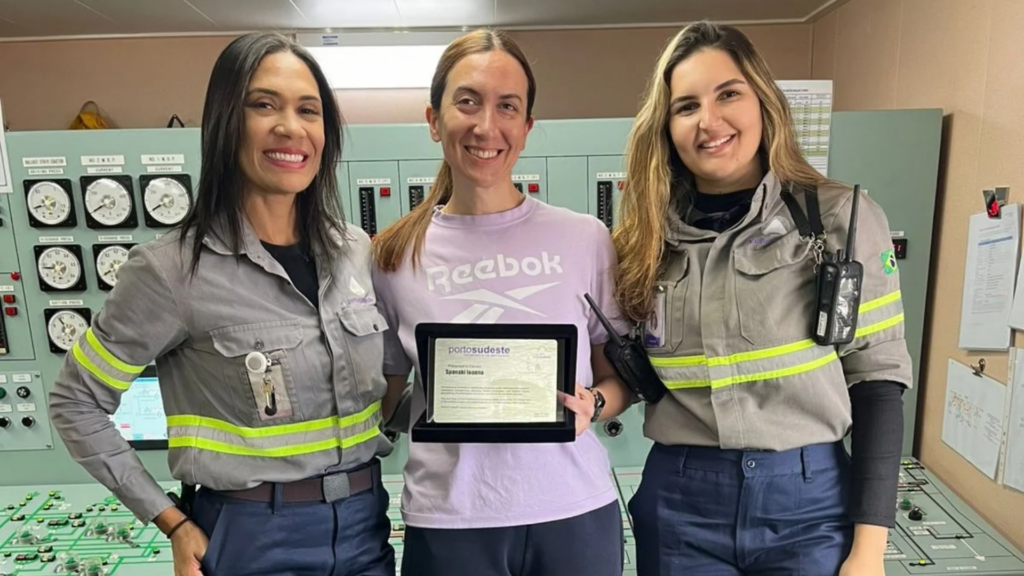
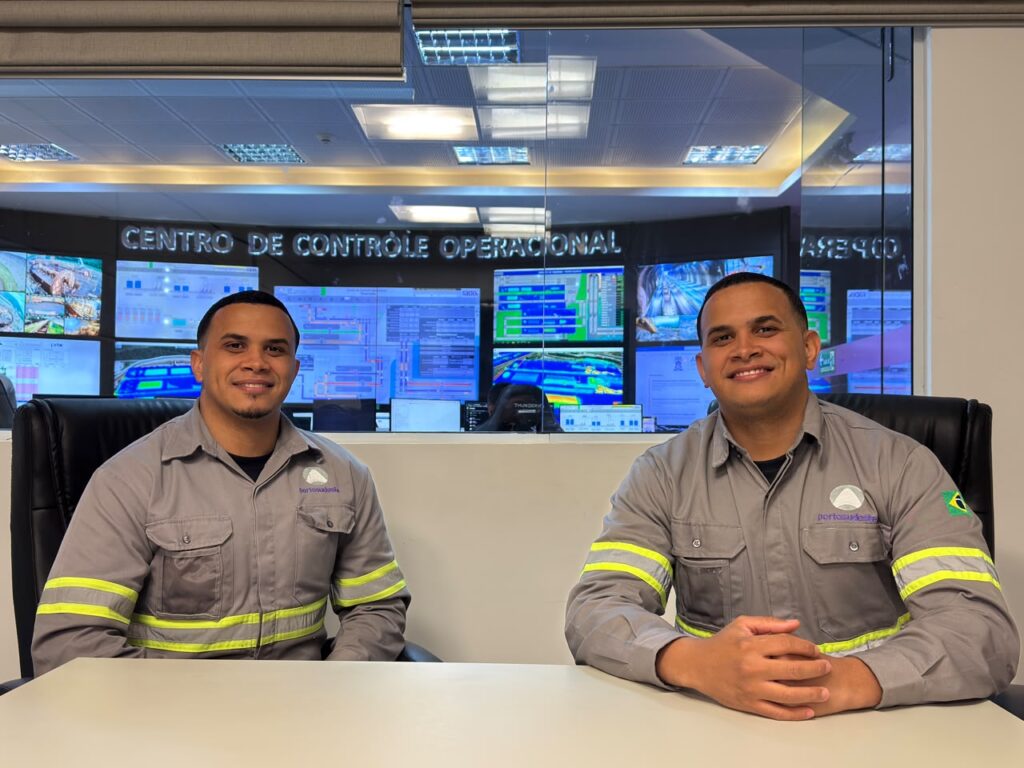
Developed by Porto Sudeste through the Impacta ODS Project, Bimestral do Livro will feature meetings with writers who live in the region or whose works are connected to the local area. The initiative also seeks to bring residents closer to the Casa Porto Reading Room, a community space.
According to Juliana Sena, the terminal’s Social Responsibility Analyst and the person responsible for the initiative, the project began to take shape during one of her journeys between Casa Porto and the port and received the team’s support to move forward.
“It was very special to see the idea gain momentum, be embraced by the team, and become a reality,” she concludes.
* This text has been translated using AI.