The city’s port vocation creates jobs, strengthens the local economy, and opens up opportunities for those who live in the region
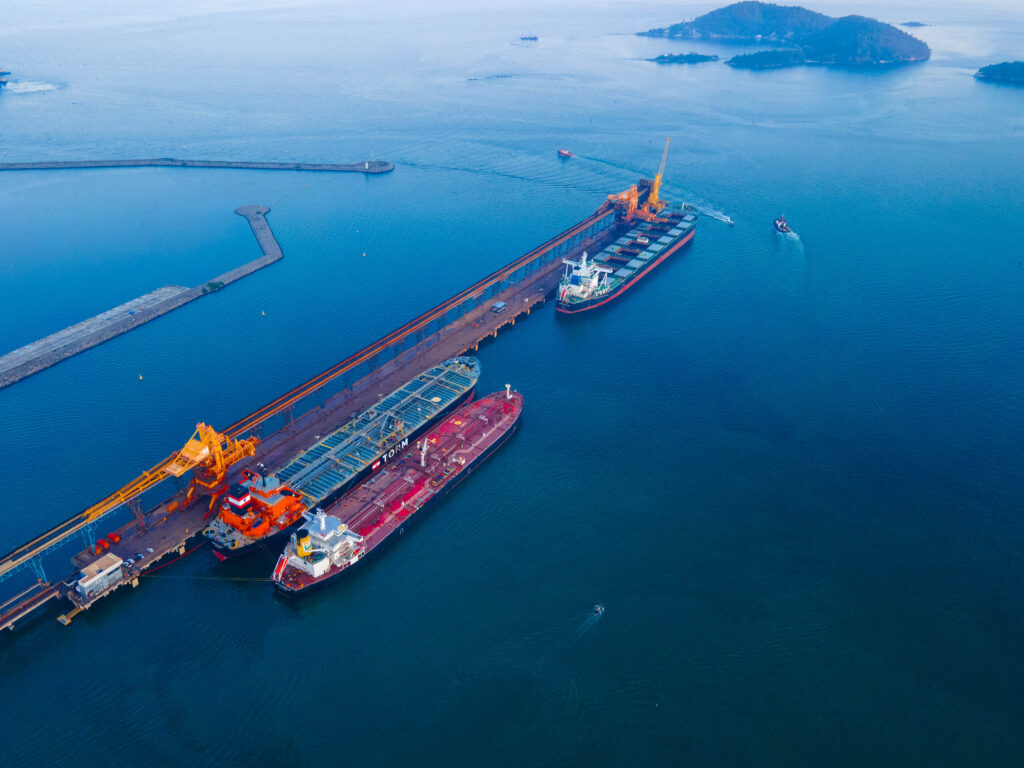
When we talk about the blue economy, the sea is no longer just a navigation route—it takes on a strategic role in economic and social development. In Rio de Janeiro, this reality comes to life in Sepetiba Bay, one of the most important regions for logistics and foreign trade in the country. It is in this setting that Itaguaí stands out, establishing itself as a port hub that moves cargo and expands opportunities for its population.
Thanks to its strategic location, connected to major highways and the national rail network, the municipality has gained prominence in the Brazilian economy. Port activity drives investment, strengthens local commerce, generates tax revenue, and contributes to jobs and income.
One example of this impact is Porto Sudeste, a private terminal responsible for handling iron ore and oil—commodities that are essential to various sectors of the economy. The project generates more than 1,700 direct and indirect jobs, around 70% of which are held by local residents. In 2025, more than R$100 million was collected for the municipality through ISS and IPTU taxes.
“More than just numbers, our results reflect an operating model that combines efficiency, responsibility, and a commitment to the development of the territory where we operate. When a port grows, so does the demand for services, suppliers, professional training, and opportunities for the local population,” says Ulisses Oliveira, Director of Corporate Affairs and Sustainability at Porto Sudeste.
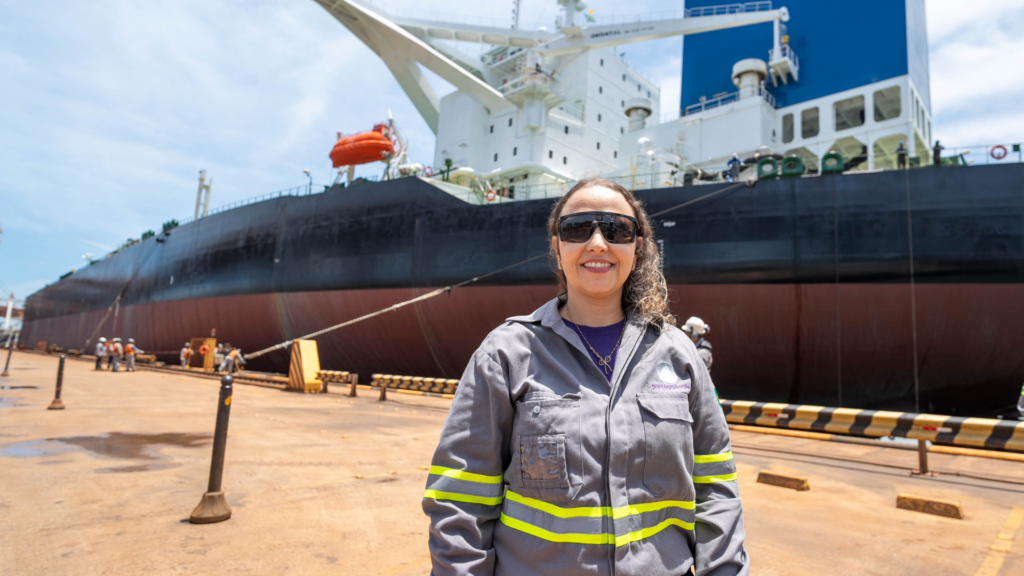
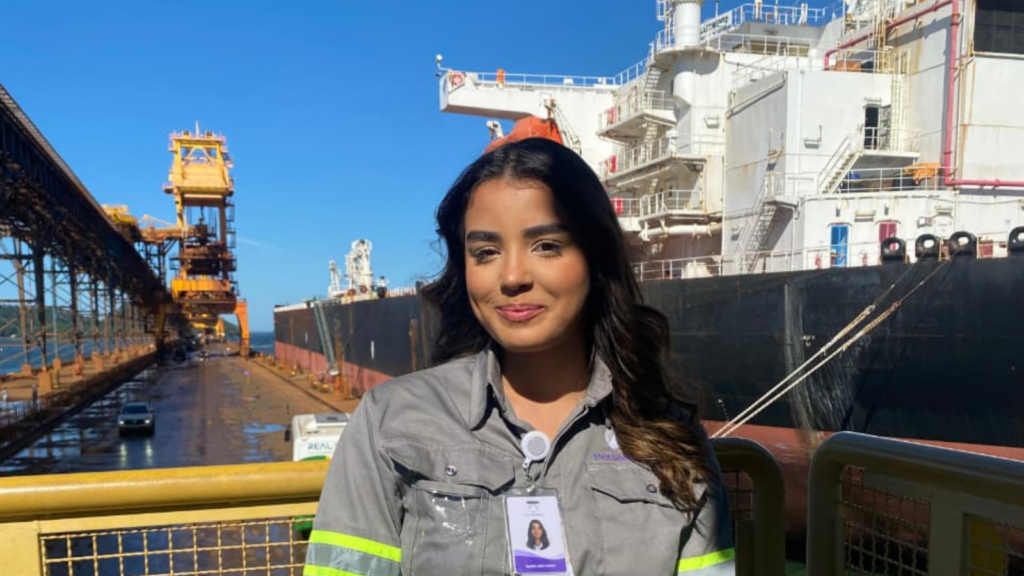
Itaguaí’s port vocation is also reflected in the journeys of residents who have found space in the sector to build their careers. This is the case of Flávia Silveira, who chose to study Production Engineering inspired by the region’s development potential.
“My sister worked at a port in the city, and it was through that experience that I began to see myself in this field. As soon as Porto Sudeste started hiring, I applied for a position and was hired. At the time, I left my role as an analyst to restart my journey as a technician, because I saw a great opportunity for growth there and because it was what I truly wanted. I took a step back at that moment because I knew it would be worth it. Over the years, I progressed and expanded my knowledge of the different areas that make up a port terminal,” said Flávia, now a process engineer.
In the view of Sônia Regina, principal of Elmira Figueira Municipal School, the strengthening of the local economy has impacts that go beyond employment. “When young people realize there are real opportunities for professional growth in their municipality, they feel more motivated to study and to plan their future. This strengthens education, helps retain talent, and generates positive impacts for the entire community,” she emphasizes.
This transformation is also recognized by community leaders. For Washington Tadeu, CEO and founder of Associação O Aprisco, economic development becomes even more meaningful when it translates into inclusion and skill-building. “When economic development moves hand in hand with investments in education, professional training, culture, and social inclusion, the whole community advances. The region’s growth opens doors for children and young people to dream bigger,” he says.
At a time when the country is debating the potential of the blue economy as a driver of development, Itaguaí shows that the value of the sea lies not only in the wealth that passes through its ports, but also in the opportunities that remain on land, transforming the lives of those who live there and build the region’s future.