An agenda created by the organization aims to turn global challenges into issues that are part of everyday life in the region, such as education, inclusion, the environment, culture, and the improvement of public spaces.
When people hear about the United Nations (UN), they may picture major international meetings, negotiations between countries, and challenges that seem far removed from the daily life of a municipality like Itaguaí. But what does an agenda designed to shape the future of the planet have to do with the lives of people in the region? More than it might seem.
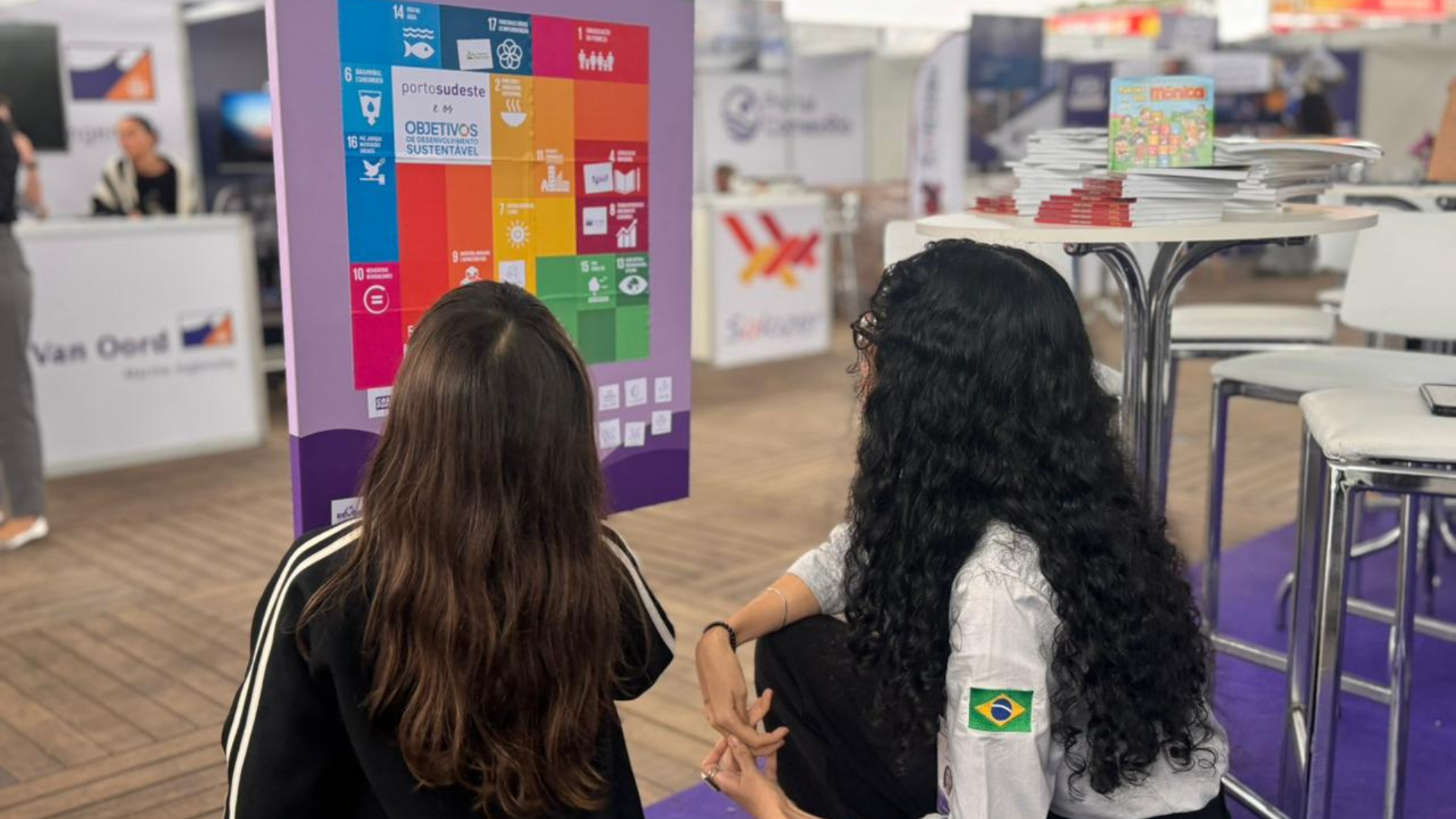
Created to guide action, the 2030 Agenda brings together 17 Sustainable Development Goals (SDGs) that address issues present in people’s everyday lives, such as quality education, reducing inequalities, decent work, environmental preservation, sustainable cities, and access to culture. While these topics are part of a global agenda, they gain real meaning when applied to the reality of each community.
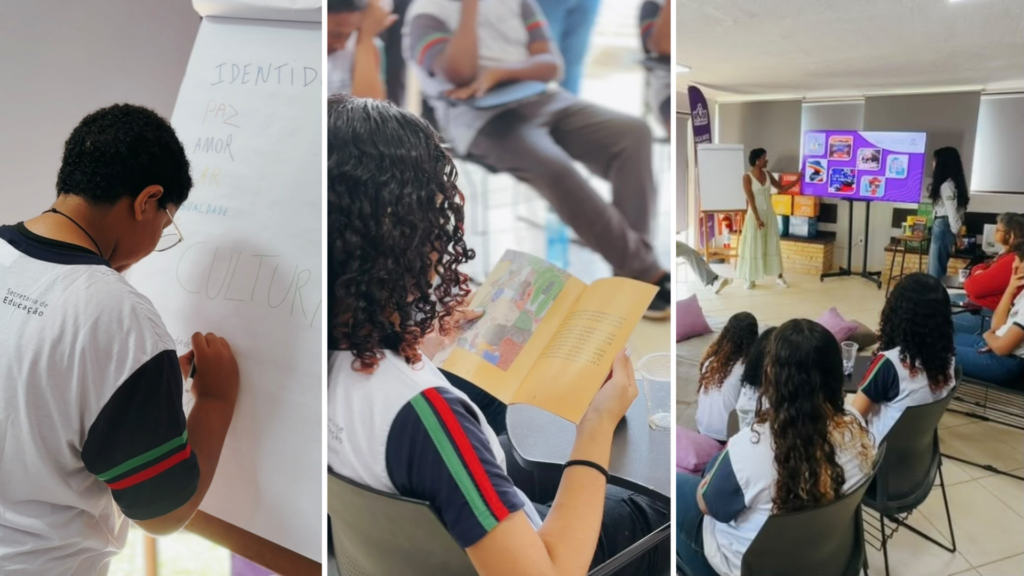
In Itaguaí, this approach can be seen through initiatives developed with the participation of different community stakeholders. Porto Sudeste, for example, supports projects focused on education and personal development, such as the Educational Gardening Project, the Environmental Education Dialogue Series, Young Communicators, Impacta SDGs, and CIPA at School. What these initiatives have in common is their effort to bring topics that often seem abstract on paper closer to students and local communities, connecting them to real-life experiences and everyday situations.
“The SDGs help us look at development from a broader perspective, considering not only economic outcomes but also people, the environment, and the conditions of the places where they live. It is an agenda that guides decision-making and encourages different sectors to work together to build solutions for challenges that affect us all,” says Carla Matos, Corporate Affairs and Social Responsibility Manager at Porto Sudeste. “When a child learns about the environment at school and then brings that knowledge home, or when a young person begins to see new possibilities for their future, we are talking about transformation that starts in a very simple way but can grow into something much bigger over time,” she adds.
While educational initiatives help build knowledge and expand opportunities, other efforts focus on quality of life and strengthening shared community spaces. Examples include the equine therapy project, the Cultural Passport program, and the restoration of the beachfront promenade and fish market on Madeira Island, all of which contribute to mobility, safety, and the enhancement of public spaces.
These are different initiatives, but they all stem from the same idea: a sustainable city is not built solely through large-scale projects. It also depends on opportunities, knowledge, well-maintained public spaces, environmental stewardship, and the active participation of the people who live in the region.
It is when these goals connect with the reality of each community that they stop feeling distant and begin to carry meaning. In Itaguaí, the 2030 Agenda is closely linked to the region’s needs and challenges, showing that thinking about the future also means making choices in the present.
* This text has been translated using AI.