In Itaguaí, a mangrove shows that its true strength lies less in how it looks and more in what it does for nature and people
Mangroves rarely compete for attention with white-sand beaches or postcard-perfect coastal landscapes. They are mud, exposed roots, strong scents, and constantly shifting tides. Yet within this often-overlooked environment operates one of the most important ecological systems along the coast. Known as nurseries of marine life, mangroves provide shelter for fish, crustaceans, and mollusks during critical stages of their life cycles. Their trees are uniquely adapted to these conditions, and their aerial roots stabilize sediments, reduce the force of the water, provide refuge for small animals, and help create an ecosystem of exceptionally high biological productivity.
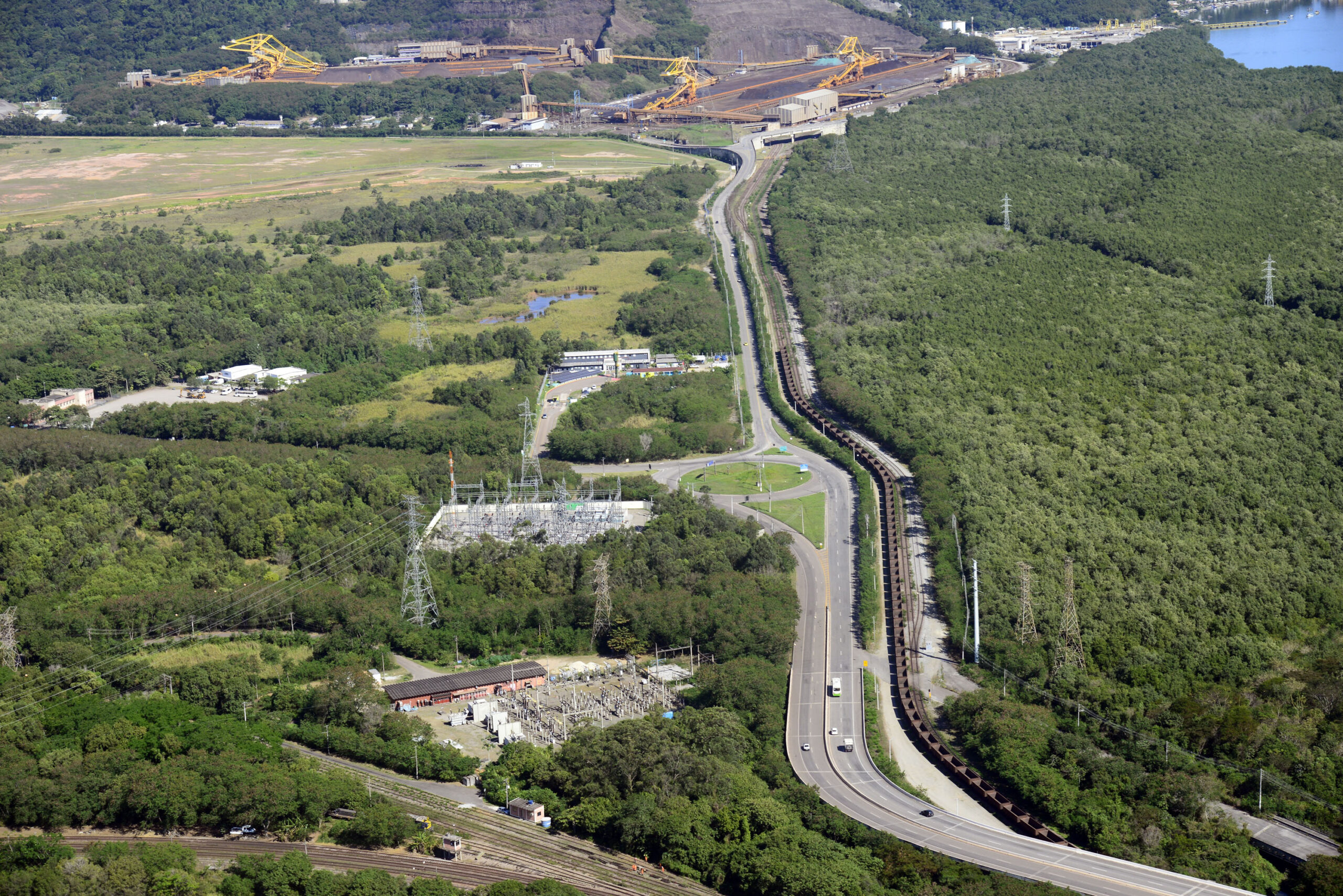
Madeira Island, in Itaguaí, is home to a mangrove area of approximately 230 hectares that protects the coastline, supports wildlife, sustains local economic activities, and helps maintain the balance of a region where traditional communities, natural areas, and industrial operations coexist. “The region’s mangrove ecosystem is home to species that are essential to coastal balance, including crabs, swimming crabs, oysters, juvenile fish, and birds, as well as the tree species typical of mangrove forests. Many of them may not be exclusive to this area, but they depend on this environment for survival,” says Bernardo Castello, Environmental Manager at Porto Sudeste.
Mangroves support artisanal fishing and the harvesting of shellfish, oysters, crabs, and swimming crabs—activities that are deeply connected to local food security, livelihoods, and culture. They also act as natural barriers against erosion, rising waters, storm surges, and stronger tides, providing an environmental service that is becoming increasingly important in the face of climate change. “They also perform a less visible function: storing carbon in both the soil and vegetation. Preserving these areas is therefore not only a biodiversity issue, but also a climate strategy,” Bernardo explains.
Conservation, however, depends on more than the mere presence of vegetation. Protecting mangroves requires coordinated efforts among public authorities, companies, and local communities. Located next to a mangrove area, Porto Sudeste maintains monitoring programs that include phytosociological studies to assess the condition of tree species; measurements of water level, pH, and other physicochemical parameters; analyses of inorganic components, such as the presence of metals at monitoring points within the mangrove; air quality monitoring; and land movement assessments. All information is shared with the State Environmental Institute (Inea), the agency responsible for overseeing and regulating the terminal’s environmental actions.
“Over nearly 11 years of operation, monitoring results have consistently remained within the parameters established by Inea. Our operational routines include effluent control, atmospheric emissions management, and waste management practices, all of which help reduce environmental risks,” Bernardo adds.
Porto Sudeste also manages another mangrove area located at the Army Technological Center (CTEx), within the Guaratiba State Biological Reserve. The company carried out the replanting of an 11.4-hectare area. “In addition to monitoring vegetation recovery, environmental awareness initiatives are conducted to guide visitors and minimize impacts that could compromise the restoration process,” he says.
The public can also play a role in keeping mangroves alive through simple actions, such as avoiding the disposal of waste, oil, rubble, or sewage into rivers, channels, and tidal areas; respecting breeding seasons; reporting illegal deforestation; taking part in community clean-up efforts; and demanding transparency from both companies and government authorities.
* This text has been translated using AI.